The Ultimate Guide to Roofing: What Every Homeowner Should Understand
Homeowners often overlook the value of a properly maintained roof. Knowing the right time to repair or replace your roof can prevent costly expenses. Different roofing materials provide unique advantages, and scheduled inspections are essential in maximizing a roof's durability. Since weather elements continuously stress roofing structures, selecting a trustworthy contractor becomes increasingly important. What warning signs suggest a roof is failing, and how can property owners ensure they make well-informed choices?
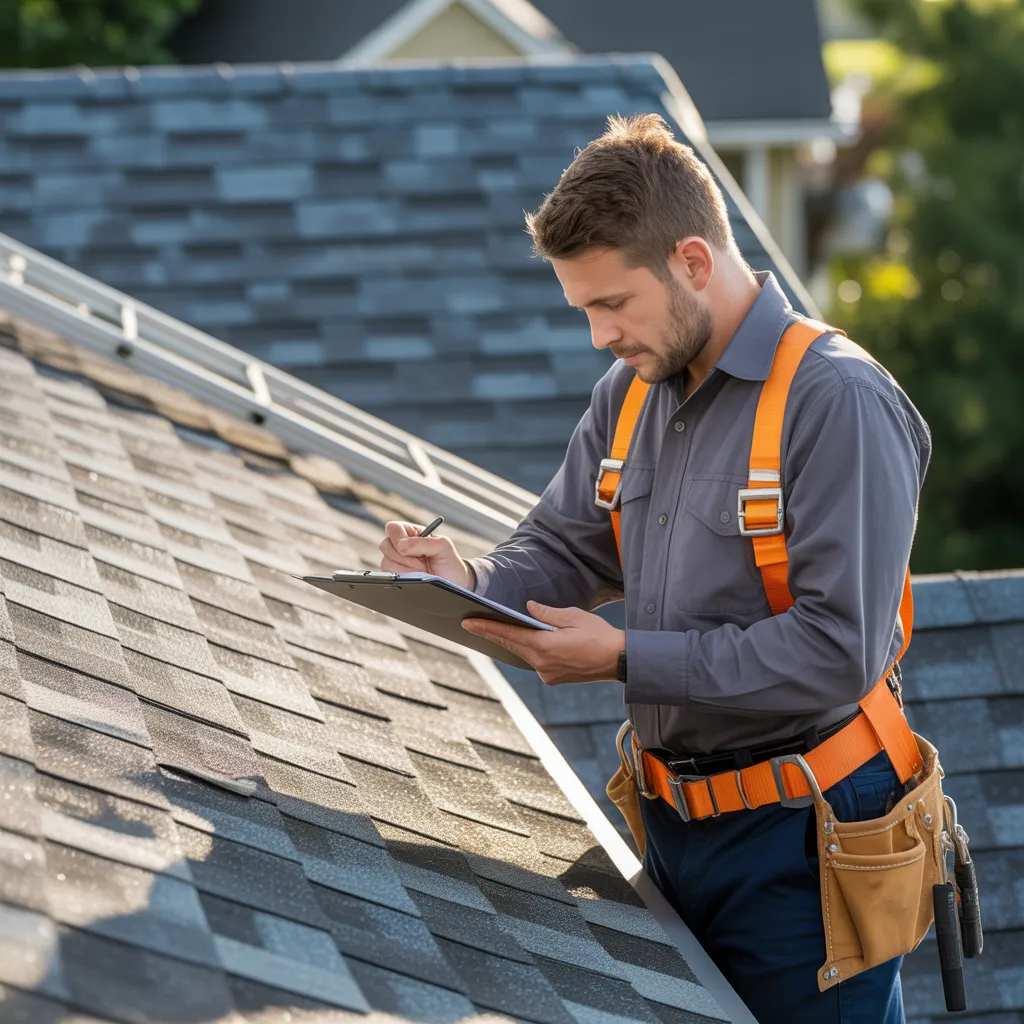
Warning Signs Your Roof Needs Repair or Replacement?
What are the ways homeowners can tell when their roof needs repair or replacement? Evidence of wear and tear tends to show up in several different ways. Residents should be on the lookout for missing, cracked, or curling shingles, as they signal areas of potential concern. Moreover, stains or discoloration found on ceilings or walls may be an indication of leaks, underscoring the need for urgent attention.
One other important sign is granule loss, frequently noticeable in gutters; this can weaken the roof's protective layer. Homeowners should also inspect for drooping sections, which may indicate underlying structural problems. Regularly checking the attic for daylight peeking through the roof boards can expose potential gaps.
Ultimately, the age of the roof plays a significant role; roofs generally have a lifespan of 20 to 30 years. If a roof is reaching this age threshold and displays visible deterioration, replacement may be necessary. By being observant and acting in advance, homeowners can ensure their roofs remain durable and provide reliable protection for their homes.
Understanding Different Roofing Materials
Knowing the various roofing materials available is vital for homeowners seeking to make well-informed decisions. Asphalt shingles offer a popular and cost-effective option, while metal roofing delivers strengths in resilience and energy performance. Additionally, tile roofing is renowned for its aesthetic appeal and longevity, making it a valuable consideration for many.
Asphalt Shingles Summary
Asphalt shingles remain a top choice for homeowners owing to their budget-friendly nature and flexibility. Coming in numerous colors and design options, they can complement a wide range of architectural designs. Generally made from a fiberglass mat layered with asphalt and mineral granules, these shingles deliver reliable strength and weather resistance. They can be installed with relative ease, making them a favored option for both contractors and DIY enthusiasts. Asphalt shingles come in two main types: organic and fiberglass, each providing specific benefits and different durability ranges. Although they typically have a lifespan of 15 to 30 years, thorough installation and consistent upkeep can considerably improve their durability. Consequently, asphalt shingles continue to be a dependable and affordable roofing option for numerous homes.
Metal Roofing Benefits
Metal roofing systems have become increasingly popular among homeowners looking for a reliable and long-lasting alternative to conventional materials such as asphalt shingles. Its light weight decreases the in-depth guide burden on the building's structure, making it suitable for various building types. Additionally, metal roofs are known for their outstanding ability to withstand severe weather, including strong winds, heavy snowfall, and torrential rain. They also provide excellent energy efficiency, reflecting solar heat and decreasing air conditioning expenses. A major advantage is their durability, often lasting 40 or more years with very little maintenance required. Moreover, metal roofing is an eco-conscious choice; a wide variety of products are crafted from recycled materials and are able to be recycled at the end of their useful life. These advantages render metal roofing an attractive option for today's homeowners focused on long-term value and sustainability.
Tile Roofing Benefits
Tile roofing stands out as a popular choice for homeowners who desire a blend of aesthetic appeal and durability. Its unique visual character , available in various styles and colors, elevates a home's appeal while offering impressive durability. Tile roofs hold up against harsh weather elements, such as strong winds and torrential rain, rendering them appropriate for numerous weather environments. Furthermore, they provide outstanding thermal insulation, supporting greater energy efficiency and reducing heating and cooling costs. Care and maintenance are fairly manageable, necessitating routine inspections and cleaning to prevent debris buildup. Beyond that, tile roofing provides fire resistance and may endure for many decades, frequently surpassing the lifespan of other roofing materials. In summary, the combination of these advantages makes tile roofing a compelling option for homeowners with high standards.
Vital Roof Maintenance Guidelines for Maximum Lifespan
Though roof maintenance is often overlooked by homeowners, routine upkeep is essential for prolonging the life of a roof. Regular inspections are key to catching potential problems before they worsen. Homeowners should check for loose or damaged shingles, with special focus on the areas surrounding chimneys and vents. Gutter maintenance is another essential responsibility; clogged gutters can lead to water damage and mold growth.
Additionally, removing debris, such as leaves and branches, from the roof surface aids in preventing moisture buildup. It is also important for homeowners to ensure that their attic is well-ventilated, as good airflow lowers the chances of heat and moisture buildup. Cutting back overhanging branches can minimize the risk of damage during storms and stop leaves from building up. To conclude, organizing professional inspections periodically can supply expert analysis and guarantee that minor issues are corrected in a timely manner. Following these maintenance tips will contribute considerably to the longevity and overall performance of a roof.
How Weather Affects Your Roof's Integrity
Meteorological conditions markedly impacts a rooftop's integrity, affecting overall performance and materials over time. Extreme temperatures can force roofing materials to expand and contract, leading to deterioration and other forms of damage. Substantial rain can exacerbate these issues, as accumulated moisture may penetrate joints and seams, resulting in moisture intrusion and structural damage. Furthermore, high winds can loosen shingles or tiles, exposing underlying layers to additional weather-related damage.
Snow and ice present another challenge; as they accumulate, they add weight and can cause structural stress. Thawing snow can result in ice dam formation, which obstructs proper drainage and raises the risk of leaks. Moreover, ultraviolet (UV) radiation from the sun can degrade roofing materials, particularly asphalt shingles. Being aware of these weather-related impacts empowers homeowners to proactively maintain their roofs, ensuring longevity and resilience against the elements. Regular inspections and timely repairs can mitigate damage and preserve overall roof integrity.
How to Select the Best Roofing Contractor
Identifying the best roofing contractor is crucial for securing a smooth project. Property owners should start by validating the contractor's certifications and qualifications, as well as evaluating their expertise and experience in the field. This meticulous evaluation helps in making an educated decision that can affect the longevity and quality of the roof.
Verify Credentials And Licenses
Verifying the qualifications and certifications of a roof installation expert is essential for homeowners who want quality work and reassurance. A licensed contractor shows adherence to local regulations and industry standards, indicating they possess the necessary skills and knowledge. Homeowners should request proof of licensing, confirming it remains active and recognized in their area or region. Furthermore, reviewing insurance documentation safeguards property owners from liability in case of accidents or damage during the roofing project. Certifications from recognized industry organizations additionally confirm a contractor's proficiency and dedication to industry standards. Performing comprehensive research, such as reviewing feedback and requesting references, assists homeowners in making educated selections when hiring a roofing specialist.
Examine Experience And Expertise
How do homeowners make certain they hire a roofing contractor with the necessary experience and knowledge? Initially, they ought to search for contractors who present a robust portfolio demonstrating a range of completed work. A well-established contractor typically has a history of successful installations and repairs, which speaks to their reliability. Additionally, checking for industry certifications and affiliations with reputable organizations can indicate a commitment to quality standards. Homeowners are also encouraged to request references from past clients, enabling them to assess overall satisfaction and work quality. Holding interviews can additionally uncover the contractor's methodology, communication habits, and ability to resolve issues. Ultimately, selecting a contractor with significant experience and specialized knowledge guarantees a roofing project is executed efficiently and effectively, safeguarding the homeowner's investment.
The Importance of Roofing Inspections?
Roof inspections are critical for preserving the condition of a home, as they can identify potential issues before they escalate into costly repairs. Periodic evaluations enable homeowners to discover concerns like water leaks, compromised shingles, and structural deficiencies. Such inspections not only increase the longevity of the roof but also boost the general safety and livability of the property.
Professional inspectors are trained to spot signs that may be invisible to untrained eyes, such as moisture buildup or improper ventilation. Addressing these issues early can prevent more severe damage and guarantee compliance with local building codes. Additionally, routine inspections can help homeowners prepare for extreme weather events, reducing the risk of significant damage during storms.
Roofing and Energy Efficiency: Key Considerations
While many homeowners might overlook how roofing affects energy efficiency, the selection of materials and design serves a vital function in managing indoor temperature and lowering energy expenses. Materials like metal, tile, and reflective shingles can significantly improve insulation, ensuring homes stay cooler in the summer months and warmer in the winter months. Additionally, the color of the roofing can influence heat absorption; lighter tones deflect sunlight, while darker colors draw in heat, which can result in increased energy expenses.
Adequate ventilation is another crucial factor, allowing heat to escape in warmer months and preventing moisture buildup. Property owners should also evaluate the roofing angle and structure, which can affect airflow and insulation effectiveness. Ultimately, investing in energy-efficient roofing not only promotes a more pleasant home atmosphere but can also lead to long-term savings on energy bills, making it a smart choice for any property owner undertaking a roofing endeavor.
Common Roofing Myths Debunked
What misconceptions do many homeowners hold about roofing? One widespread belief is that a new roof is not required if no leaks can be seen. In fact, underlying damage can cause major complications as time goes on. A further common assumption is that every roofing material performs equally in terms of longevity. In fact, different materials have varying lifespans and maintenance needs that should be considered. A number of homeowners assume that placing a new roof over an existing one can help reduce expenses; yet this approach can lock in moisture and cause far greater issues down the line. Moreover, a common belief is that a dark-colored roof will always draw in excess heat, but modern reflective roofing alternatives can reduce this impact. To conclude, there are those who believe roofing installations can be carried out in any type of weather, a notion that can jeopardize both workmanship and worker safety. Debunking these myths is essential for homeowners to make informed decisions regarding their roofing needs.
Questions Our Customers Often Ask
What Is the Average Lifespan of a Standard Roof?
A conventional roof endures 20 to 50 years on average, influenced by materials, installation quality, and maintenance. Considerations including weather patterns and environmental exposure also affect longevity, making periodic inspections necessary for peak efficiency and service life.
What Should I Do After a Storm?
Once a storm has passed, homeowners should inspect their roofs for visible damage, check for leaks inside, document any issues with images, and call a qualified roofing professional for a thorough assessment and essential repairs.
Is It Possible to Install a New Roof Over an Existing One?
Certainly, a new roof can be installed over an old one, given that the existing structure is sound. That said, local building codes could place limitations, and proper ventilation must be guaranteed to avoid future problems.
How Can I Determine if My Roof Is Still Under Warranty?
To establish whether a roof has warranty coverage, one should check the original purchase documents, get in touch with the manufacturer, or seek guidance from the contractor responsible for the installation. Warranty terms generally differ depending on materials and installation details.
What Are the Indicators of a Bad Installation?
Evidence of substandard roofing work consist of improper flashing, visible gaps, water leaks, uneven shingles, and excessive granule loss. In addition, roofing components may warp or buckle, signaling inadequate ventilation or insufficient fastening, undermining the overall integrity of the roof.